Safe, supportive homes in the community for adults with disabilities — with 24-hour supervision, individualized care plans, and a focus on dignity and independence.
Residential services provide adults with intellectual, developmental, or physical disabilities with a safe place to live alongside others in a home-like setting. Residents receive individualized support with daily living activities while maintaining as much independence as possible.
CHCA operates Community Residential Facilities (CRFs) licensed and regulated by the NC Division of Health Benefits and the Division of Mental Health. Each home is staffed 24 hours a day by trained direct-support professionals.

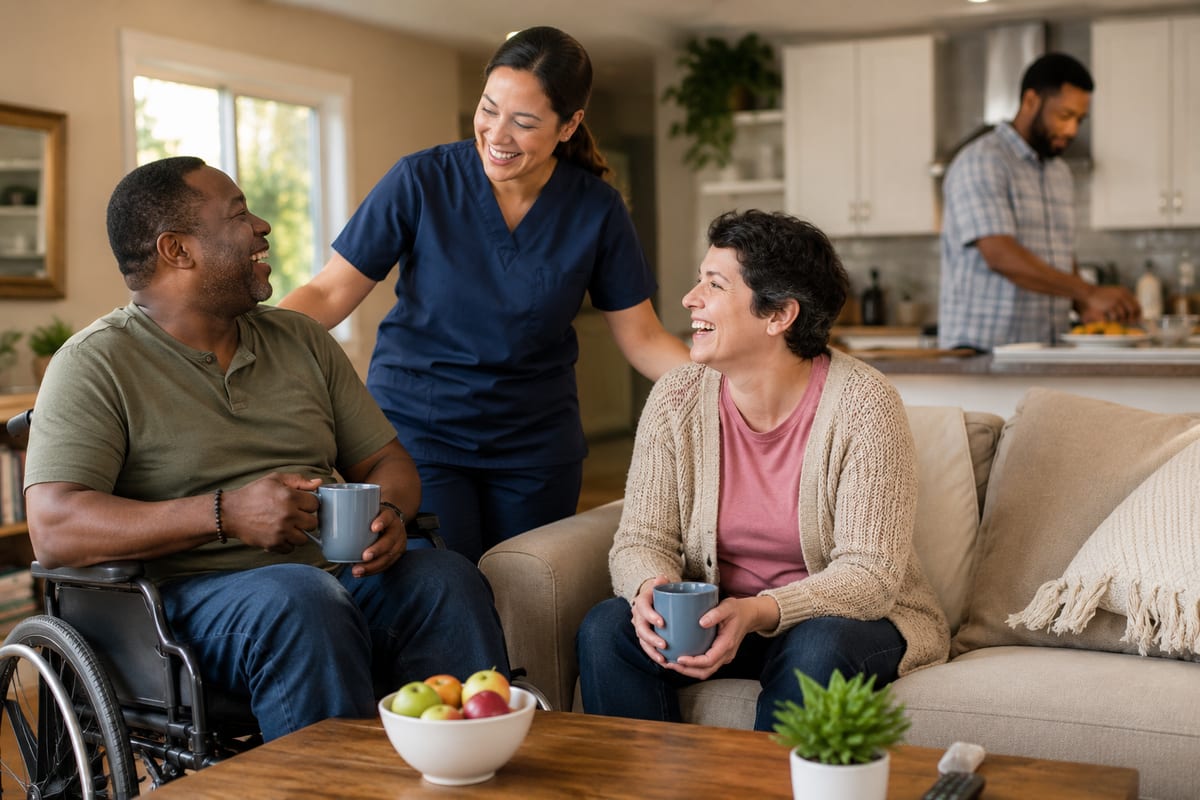
Provided in a licensed residential setting of 1–6 beds, or an unlicensed home for a single individual (Alternative Family Living / AFL). Homes are characterized by a true home environment — kitchen with cooking facilities, dining area, bedrooms, and bathroom facilities — with full privacy and easy access to community resources. Services include assistance with acquisition, retention, or improvement in skills related to ADLs such as personal grooming, bed making, eating and food preparation, and social and adaptive skills necessary to live outside an institutional setting. Available to children and adults ages 5 and up.
Inquire about placement →A flexible partnership that enables a person to live in their own home with support from CHCA. Provides individualized assistance with activities of daily living, household chores essential to health and safety, budget management, attending appointments, and interpersonal and social skills building. Assistance also includes monitoring health status and physical condition, transferring, ambulation, and use of mobility devices. Transportation is an inclusive component. Unlike Residential Supports, the individual chooses who they live with and participates in selecting care staff.
Ask about supported living →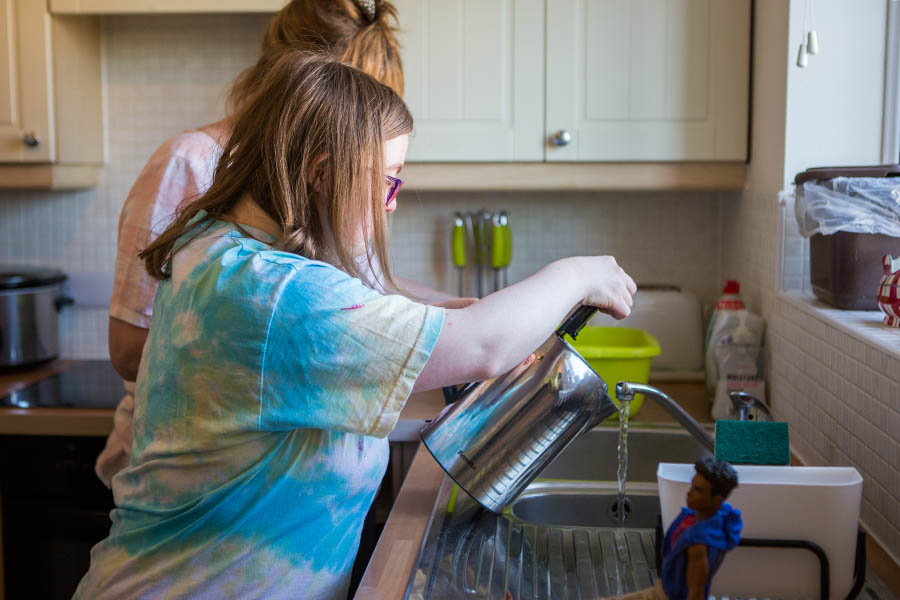
Available for individuals who use 4 or fewer hours of Supported Living per day. Provides the same flexible partnership as Supported Living — individualized assistance with ADLs, household chores, budget management, appointments, and interpersonal skills building — in a home that is under the control and responsibility of the individual. Designed for people who are highly independent but benefit from periodic scheduled check-ins and support.
Ask about eligibility →
Each resident has a person-centered plan developed with input from the individual, family, and care team — reviewed regularly. Plans address goals for independence, community participation, health management, and social skills, and are updated as the individual's needs and goals evolve.

Residents are supported in accessing community activities, appointments, employment, and social opportunities. Transportation is provided as an inclusive component of Supportive Living services, ensuring individuals remain connected to their communities.
Contact us to learn about availability, the intake process, and how to begin a residential placement referral.